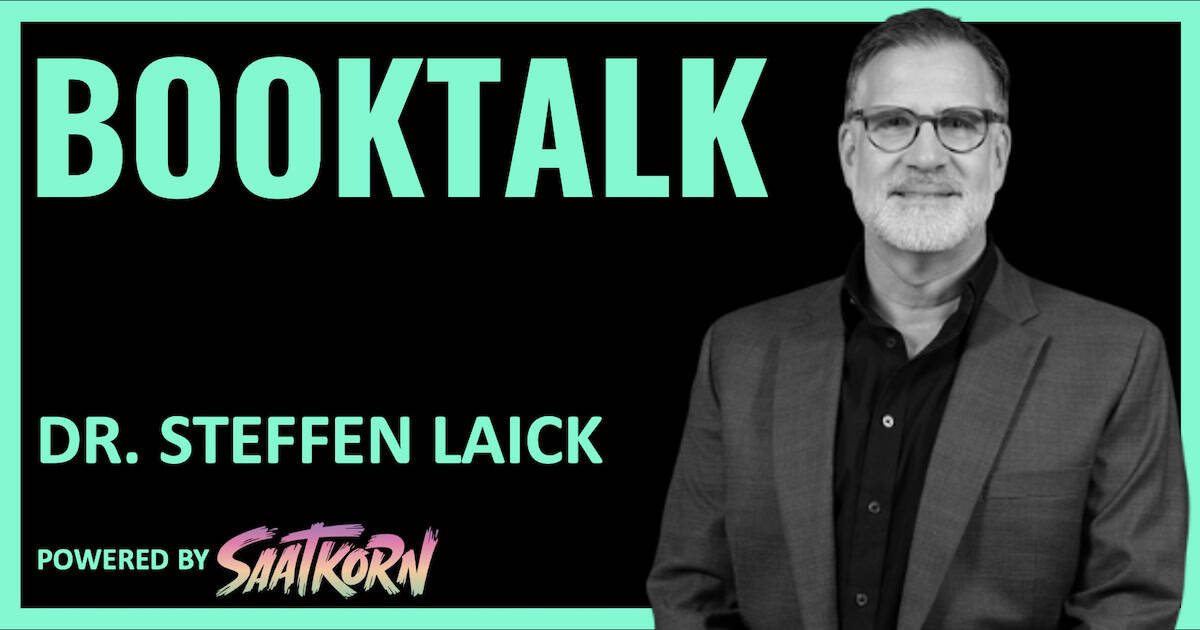
STEFFEN LAICK über KI für Recruiting und Employer Branding
Dr. STEFFEN LAICK on AI for recruiting and employer branding
German version below
Steffen Laick is visiting SAATKORN today with his new book “Social Media and AI for Recruiting and Employer Branding.” Let’s get started:
SAATKORN: Steffen, please introduce yourself to SAATKORN readers.
I’d be happy to. You can find detailed information about me on LinkedIn and Instagram, so feel free to take a look. So here’s a brief summary: I’ve been working at the interface between people, technology, and organizations for over 25 years. During this time, I’ve had the opportunity to gain valuable experience as a human resources manager at global companies such as SAP and EY and to implement HR strategies on a large scale. Today, I pass on this knowledge as a professor of human resource management at IU International University and, with my company DLC², I advise companies on how to make their human resources work sustainable for the future. I am particularly passionate about recruiting, leadership development, and the question of how we can leverage the opportunities offered by digitalization to create a better working environment.
New book „Social Media and AI for Recruiting and Employer Branding
SAATKORN: As I know from our shared past, you have been interested in this topic for a very long time. At the end of 2025, you published an exciting book: “Social Media and AI for Recruiting and Employer Branding.” How did the idea for the book come about?
That’s right, the topic has been a long-standing passion of mine, and the two of us already wrote a book on it together with Bernd Schmitz and Dominik Bernauer over 15 years ago. The idea for the book arose from a key observation I made in my consulting and teaching work: Many companies recognize the need to use social media and AI in HR, but there is often a great deal of uncertainty. There is a gap between the hype surrounding these technologies and the practical knowledge of how to use them strategically and operationally in a meaningful way. I wanted to create a practical guide that not only explains the “what” and “why,” but above all the “how.” The book aims to give HR managers the tools they need to confidently use these powerful instruments for their recruiting and employer branding and to keep up with the modern world of work.
How will the talent market work in 2026?
SAATKORN: Who is the target audience for your book, who should buy it, and why?
The book is aimed at anyone who is responsible for attracting and retaining talent in the broadest sense. These are, of course, primarily HR managers, HR business partners, and recruiters who want to modernize their strategies. But marketing and communications managers, who are working ever more closely with HR on employer branding, will also find valuable insights here. It is also intended for managing directors and executives in small and medium-sized companies, who are often involved in the recruiting process themselves and need to understand how the modern talent market works. Anyone looking for concrete, actionable strategies to not only keep up with the “war for talent” but to stay ahead of the curve should buy this book.
SAATKORN: How is the book structured, and how relevant is it to business practice?
The structure is deliberately practice-oriented. I start with the strategic basis: How do I develop a contemporary employer branding strategy that incorporates social media and AI from the outset? From there, I move step by step into operational implementation. There are chapters that deal in detail with the relevant social media platforms and show how to present yourself authentically and in a way that is appropriate for your target group. A central part is then devoted to AI applications in recruiting. The focus is on practical relevance: each chapter contains checklists, practical examples, and specific recommendations for action so that readers can directly apply the content to their own company situation.
Storytelling, DEI & Prompts
SAATKORN: Are there topics in your book that are not covered in others?
Yes, absolutely. It was important to me not only to cover the well-known basics, but also to highlight topics that are often neglected in the current discussion but are crucial for sustainable success in recruiting. These include three areas in particular:
- Storytelling for recruiting:
Many books talk about employer branding, but often stop at communicating pure facts and benefits. I devote a separate chapter to the topic of storytelling because stories are what really touch people and stick in their minds. In a world full of interchangeable corporate phrases, a compelling story is the most powerful way to bring your corporate culture to life and build an emotional connection with potential candidates. Here, I show in a very concrete and practical way how recruiters can become “storytellers” and effectively tell their stories via social media. - Diversity & Inclusion (D&I) as an integral part:
D&I is often treated as a separate HR topic. I have deliberately integrated it deeply into the chapters on recruiting and employer branding. Why? Because, in my view, a strong employer brand is no longer conceivable today without a credible D&I strategy. Diverse teams are often more innovative and successful in our increasingly complex working world, and younger generations in particular are actively demanding this commitment from their employers. The book provides concrete tips on how to authentically live D&I in external communications. - Discrimination-sensitive prompting with AI:
This is a point that is particularly important to me and one that you won’t find in other books. We all talk about the opportunities offered by AI, but we also need to talk about the risks. AI systems can unknowingly reproduce or even reinforce existing prejudices and discrimination. This chapter is about how to use AI tools, especially when “prompting,” i.e., formulating instructions for the AI, in such a way that discriminatory results are minimized. It’s about developing a conscious and ethical attitude when dealing with technology. This is not a technical gimmick, but a key future skill for anyone with responsibility in the HR field.
These chapters are included because they broaden the perspective: from purely increasing efficiency through technology to a more humane, fairer, and ultimately more successful way of attracting talent so that they stay.
SAATKORN: What is your view on AI and HR? Are we facing a fundamental change in the job profile?
My view is optimistic but realistic. AI is not a panacea, but it is the most powerful catalyst for change in HR since the introduction of the internet. Yes, we are definitely facing a fundamental change. AI will take over repetitive and administrative tasks in recruiting and human resources management. On the one hand, this is a huge opportunity. It will enhance the job profile of HR professionals: away from pure administration and toward a more strategic, advisory, and people-centered role. We can and must use the time that AI gives us to have better conversations, actively shape corporate culture, and promote employee development. On the other hand, we will need fewer staff to do the same amount of work. There are already signs that companies are using this to lay off employees and invest in AI instead.
And in the future, AI will be capable of much more. It will then depend on whether we as a society allow AI to make more far-reaching analyses, decisions, and predictions. In principle, the core competencies of HR professionals in the future will be even more strongly focused on empathy and strategic design, skills that AI cannot replace.
New recruiting experts wanted
SAATKORN: Last but not least: Employer branding and recruiting haven’t had it easy in recent years. The heyday of 2023, when recruiters were the most sought-after professional group on the job market, is over. Will that come back?
No! I am convinced that those days are gone for good. The extreme peak in demand for recruiters that we experienced in 2023 was a special moment. But the future of recruiting looks different. We will need neither the quantity nor the type of recruiters who dominated the market back then. The change is fundamental. Recruiters, whose main task was to write job ads, analyze resumes, and shuffle back and forth between the specialist department and the candidate, are being replaced by intelligent technologies. Their work is being automated. This will be painful, but it will also be an enormous opportunity to professionalize the profession.
The future belongs to a new type of recruiting expert. What is needed are personalities who think strategically, are tech-savvy, and at the same time act with a high degree of empathy and professionalism. We need talent magnets who really understand people, can inspire them with a vision, and convince them in the long term. These are consultants who are on an equal footing and who are fully trusted both within the company and on the external market.
So the “war for talent” is not over, but the weapons have changed. It is no longer about the quantity of recruiters, but about their quality. The strategic importance of excellent recruiting is greater than ever, but it requires different, more sophisticated skills.
SAATKORN: Thank you for the interview, Steffen. And good luck with “Social Media and AI for Recruiting and Employer Branding”!
BOOK GIVEAWAY
If you would like to win a hot-off-the-press copy of Steffen Laick’s book “Social Media and AI for Recruiting and Employer Branding,” send an email with the subject line “Steffen Laick” to gewinne@saatkorn.com – good luck!
Further Links
- You can order the book HERE
Dr. STEFFEN LAICK über KI für Recruiting und Employer Branding
Steffen Laick ist heute mit seinem neuen Buch „Social Media und KI für Recruiting und Employer Branding“ bei SAATKORN zu Gast. Auf geht’s:
SAATKORN: Steffen, bitte stelle Dich den SAATKORN Leser:innen doch einmal vor.
Sehr gerne. Detaillierte Infos über mich findet ihr natürlich auf LinkedIn und Instagram, schaut einfach mal vorbei. Daher hier in Kürze: Ich bewege mich seit über 25 Jahren an der Schnittstelle von Mensch, Technologie und Organisation. In dieser Zeit durfte ich als Personalleiter bei globalen Unternehmen wie SAP und EY wertvolle Erfahrungen sammeln und HR-Strategien in großem Maßstab umsetzen. Heute gebe ich dieses Wissen als Professor für Personalmanagement an der IU Internationale Hochschule weiter und berate mit meiner Firma DLC² Unternehmen, wie sie ihre Personalarbeit zukunftsfähig gestalten können. Meine Leidenschaft gilt dabei besonders den Themen Recruiting, Führungskräfteentwicklung und der Frage, wie wir die Chancen der Digitalisierung für eine bessere Arbeitswelt nutzen können.
Neues Buch „Social Media und KI für Recruiting und Employer Branding
SAATKORN: Wie ich ja aus unserer gemeinsamen Vergangenheit weiß, beschäftigt Dich das Thema schon seeeehr lange. Ende 2025 ist nun ein spannendes Buch von Dir erschienen: „Social Media und KI für Recruiting und Employer Branding“. Wie ist die Idee zum Buch entstanden?
Das stimmt, das Thema ist eine langjährige Leidenschaft und wir beide haben ja schon zusammen mit Bernd Schmitz und Dominik Bernauer vor über 15 Jahren ein Buch dazu geschrieben. Die Idee zum Buch ist aus einer zentralen Beobachtung in meiner Beratungs- und Lehrtätigkeit entstanden: Viele Unternehmen erkennen zwar die Notwendigkeit, Social Media und KI im HR-Bereich einzusetzen, aber es herrscht oft eine große Unsicherheit. Es gibt eine Lücke zwischen dem Hype um die Technologien und dem praktischen Wissen, wie man sie strategisch und operativ sinnvoll einsetzt. Ich wollte einen praxisnahen Leitfaden schaffen, der nicht nur das „Was“ und „Warum“ erklärt, sondern vor allem das „Wie“. Das Buch soll Personalverantwortlichen die Werkzeuge an die Hand geben, um diese leistungsstarken Instrumente souverän für ihr Recruiting und Employer Branding zu nutzen und den Anschluss an die moderne Arbeitswelt nicht zu verlieren.
Wie funktioniert der Talentmarkt 2026?
SAATKORN: Wer ist die Zielgruppe für Dein Buch, wer sollte es sich zulegen und warum?
Das Buch richtet sich an alle, die im weitesten Sinne für das Gewinnen und Binden von Talenten verantwortlich sind. Das sind natürlich in erster Linie Personalleiter:innen, HR-Business-Partner und Recruiter:innen, die ihre Strategien modernisieren wollen. Aber auch Marketing- und Kommunikationsverantwortliche, die immer enger mit HR beim Employer Branding zusammenarbeiten, finden hier wertvolle Anknüpfungspunkte. Ebenso ist es für Geschäftsführer:innen und Führungskräfte in kleinen und mittelständischen Unternehmen gedacht, die oft selbst in den Recruiting-Prozess involviert sind und verstehen müssen, wie der moderne Talentmarkt funktioniert. Wer nach konkreten, umsetzbaren Strategien sucht, um im „War for Talents“ nicht nur mitzuhalten, sondern die Nase vorn zu haben, sollte sich das Buch zulegen.
SAATKORN: Wie ist das Buch aufgebaut, welche Relevanz hat es für die betriebliche Praxis?
Der Aufbau ist bewusst praxisorientiert. Ich starte mit der strategischen Grundlage: Wie entwickle ich eine zeitgemäße Employer-Branding-Strategie, die Social Media und KI von Anfang an mitdenkt? Von dort aus gehe ich schrittweise in die operative Umsetzung. Es gibt Kapitel, die sich detailliert mit den relevanten Social-Media-Plattformen befassen und zeigen, wie man dort authentisch und zielgruppengerecht auftritt. Ein zentraler Teil widmet sich dann den KI-Anwendungen im Recruiting. Die Relevanz für die Praxis steht im Mittelpunkt: Jedes Kapitel enthält Checklisten, Praxisbeispiele und konkrete Handlungsempfehlungen, sodass die Leser:innen die Inhalte direkt auf ihre eigene Unternehmenssituation übertragen können.
Storytelling, DEI & Prompten
SAATKORN: Gibt es Themen in deinem Buch die so nicht in anderen vorhanden sind?
Ja, absolut. Mir war es wichtig, nicht nur die bekannten Grundlagen abzudecken, sondern auch Themen zu beleuchten, die in der aktuellen Diskussion oft zu kurz kommen, aber für den nachhaltigen Erfolg im Recruiting entscheidend sind. Dazu gehören vor allem drei Bereiche:
- Storytelling für Recruiting:
Viele Bücher sprechen über Employer Branding, bleiben aber oft bei der reinen Fakten- und Nutzenkommunikation stehen. Ich widme dem Thema Storytelling ein eigenes Kapitel, weil Geschichten das sind, was Menschen wirklich berührt und im Gedächtnis bleibt. In einer Welt voller austauschbarer Unternehmens-Phrasen ist eine packende Geschichte der stärkste Weg, um die eigene Unternehmenskultur erlebbar zu machen und eine emotionale Verbindung zu potenziellen Kandidat:innen aufzubauen. Hier wird ganz konkret und praktisch gezeigt, wie Recruiter:innen zu „Storytellern“ werden und ihre Geschichten über Social Media wirksam erzählen können. - Diversity & Inclusion (D&I) als integraler Bestandteil:
D&I wird oft als separates HR-Thema behandelt. Ich habe es bewusst tief in die Kapitel zu Recruiting und Employer Branding integriert. Warum? Weil aus meiner Sicht eine starke Arbeitgebermarke heute ohne eine glaubwürdige D&I-Strategie nicht mehr denkbar ist. Vielfältige Teams sind in unserer zunehmend komplexen Arbeitswelt häufig innovativer und erfolgreicher, und gerade die jüngeren Generationen fordern dieses Engagement von ihren Arbeitgebern aktiv ein. Das Buch gibt konkrete Hinweise, wie man D&I in der externen Kommunikation authentisch lebt. - Diskriminierungssensibles Prompten mit KI:
Das ist ein Punkt, der mir besonders wichtig ist und den man so in anderen Büchern nicht findet. Wir sprechen alle über die Chancen von KI, aber wir müssen auch über die Risiken reden. KI-Systeme können bestehende Vorurteile und Diskriminierungen unbemerkt reproduzieren oder sogar verstärken. In diesem Kapitel geht es darum, wie man KI-Tools, insbesondere beim „Prompten“, also bei der Formulierung von Anweisungen an die KI, so einsetzt, dass diskriminierende Ergebnisse minimiert werden. Es geht darum, eine bewusste und ethische Haltung im Umgang mit der Technologie zu entwickeln. Das ist keine technische Spielerei, sondern eine zentrale Zukunfts-Kompetenz für alle, die im HR-Bereich Verantwortung tragen.
Diese Kapitel sind dabei, weil sie den Blick weiten: von der reinen Effizienzsteigerung durch Technologie hin zu einer menschlicheren, faireren und letztlich erfolgreicheren Art, Talente zu gewinnen damit sie bleiben.
SAATKORN: Wie ist Dein Bick auf KI und Personalarbeit? – Stehen wir vor einem grundlegenden Wandel des Berufsbildes?
Mein Blick ist optimistisch, aber realistisch. KI ist kein Allheilmittel, jedoch ist sie der kraftvollste Katalysator für Veränderung in der Personalarbeit seit der Einführung des Internets. Ja, wir stehen definitiv vor einem grundlegenden Wandel. KI wird repetitive und administrative Aufgaben im Recruiting und in der Personalverwaltung übernehmen. Das ist auf der einen Seite eine riesige Chance. Dadurch wird das Berufsbild der Personaler:innen aufgewertet: Weg von der reinen Administration, hin zu einer strategischeren, beratenden und menschzentrierten Rolle. Die Zeit, die KI uns schenkt, können und müssen wir nutzen, um bessere Gespräche zu führen, die Unternehmenskultur aktiv zu gestalten und die Entwicklung der Mitarbeitenden zu fördern. Auf der anderen Seite werden wir weniger Personal für die gleiche Menge an Arbeit benötigen. Hier gibt es bereits jetzt schon Anzeichen dafür, dass Unternehmen dies nutzen um Mitarbeiter:innen zu entlassen und stattdessen in KI zu investieren.
Und zukünftig wird KI noch zu viel mehr in der Lage sein. Es kommt dann darauf an, ob wir als Gesellschaft es zulassen, dass KI weitreichendere Analysen, Entscheidungen und Prognosen trifft. Prinzipiell wird die Kernkompetenz von Personalern in Zukunft noch stärker die Empathie und das strategische Gestalten sein, Fähigkeiten, die eine KI nicht ersetzen kann.
Gesucht sind neue Recruiting Expert:innen
SAATKORN: Zu guter Letzt: Employer Branding und Recruiting hatten es die letzten Jahre nicht so ganz leicht, die Hochzeiten von 2023, als Recruiter:innen die am Arbeitsmarkt am meisten nachgefragte Berufsgruppe waren, ist vorbei. Kommt das nochmal zurück?
Nein! Ich bin überzeugt, diese Zeit kommt so nicht zurück. Die extreme Nachfragespitze nach Recruiter:innen, wie wir sie 2023 erlebt haben, war ein besonderer Moment. Aber die Zukunft des Recruitings sieht anders aus. Wir werden weder die Quantität noch die Art von Recruiter:innen benötigen, die damals den Markt dominiert haben. Der Wandel ist fundamental. Recruiter:innen, deren Hauptaufgabe darin bestand, Stellenanzeigen zu formulieren, Lebensläufe zu analysieren und zwischen Fachabteilung und Kandidat hin- und herzuschieben, werden durch intelligente Technologien ersetzt. Ihre Arbeit wird automatisiert. Das wird schmerzhaft, es wird aber auch eine enorme Chance zur Professionalisierung des Berufsstandes.
Die Zukunft gehört einem neuen Typus von Recruiting-Expert:innen. Gefragt sind Persönlichkeiten, die strategisch denken, technologieaffin sind und gleichzeitig hochgradig empathisch und professionell agieren. Wir brauchen Talente-Magneten, die Menschen wirklich verstehen, für eine Vision begeistern und langfristig überzeugen können. Das sind Berater:innen auf Augenhöhe, denen man sowohl innerhalb des Unternehmens als auch am externen Markt voll vertraut.
Der „War for Talents“ ist also nicht vorbei, aber die Waffen haben sich geändert. Es geht nicht mehr um die Masse an Recruiter:innen, sondern um die Klasse. Die strategische Bedeutung eines exzellenten Recruitings ist größer denn je, aber es erfordert eben andere, anspruchsvollere Kompetenzen.
SAATKORN: Danke für das Interview, lieber Steffen. Und viel Erfolg mit „Social Media und KI für Recruiting und Employer Branding“!
BUCHVERLOSUNG
Wer ein druckfrisches „Social Media und KI für Recruiting und Employer Branding“ Buch von Steffen Laick gewinnen möchte, sendet eine Email mit dem Betreff „Steffen Laick“ an gewinne@saatkorn.com – viel Glück!
Weitere Links
- Das Buch kannst Du HIER bestellen.
Es wäre ja Schön, wenn ich mal was gewinnen würde. Aber ich glaube auch es ist egal
was man hier schreibt es wird wieder nur so ein Gewinnspiel sein wo Adressen Tel. und meine Daten gesammelt werden. Und trotzdem mache ich mit vielleicht habe ich ja ehrlich mal GLÜCK und gewinne mal WAS.