MARCUS STEINBERG von paylo in der STARTUP Serie
Wie bei paylo 3 Menschen und 10 Agents Benefits revolutionieren
English version below
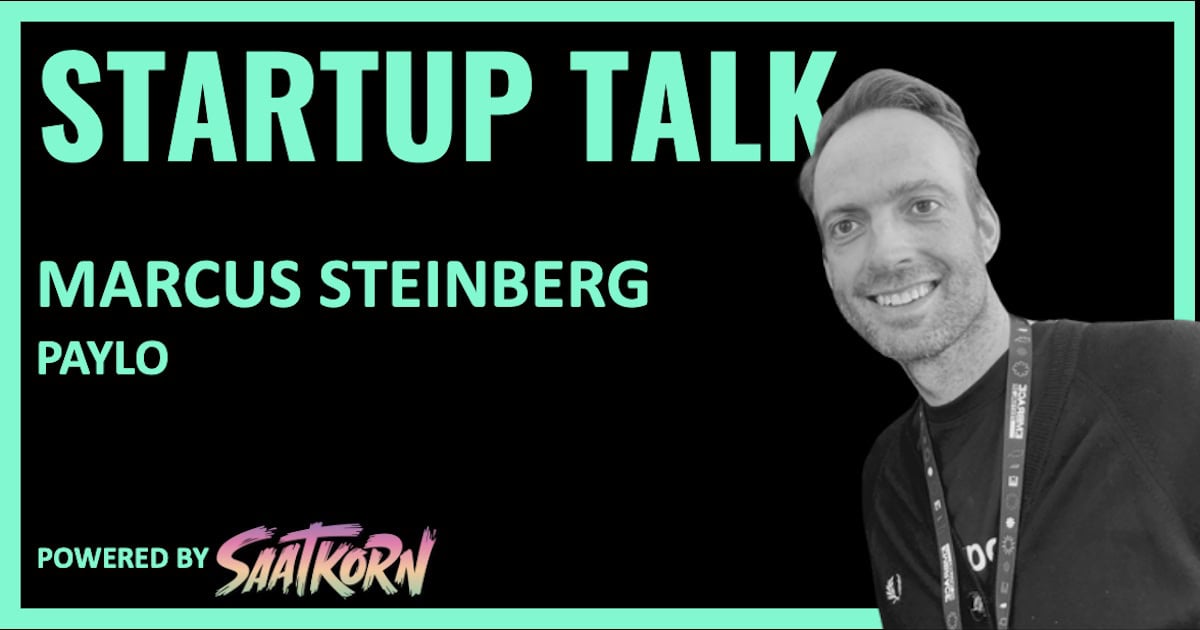
Im Rahmen der SAATKORN HR Startup Serie stelle ich Euch heute paylo vor. Das Berliner Unternehmen revolutioniert den Employee Benefits Ansatz – mit nur 3 Mitarbeitenden und 10 Agents – extrem spannend! Ich hatte Gelegenheit, mit Co-Founder Marcus Steinberg (auf dem Foto links) zu sprechen. Auf geht’s:
SAATKORN: Bitte stelle Dich den SAATKORN-Leser:innen vor!
Ich bin Marcus Steinberg, Gründer und Geschäftsführer von paylo. Angefangen habe ich klassisch in der Beratung in Berlin, bis die erste große Startup-Welle kam — da bin ich aufgesprungen und nicht mehr abgestiegen. Gegründet habe ich zuerst im CHECK24-Kosmos und später auch bei BCG-DV. Mit paylo bin ich zum ersten Mal auf ein Problem gestoßen, das nicht am Markt liegt, sondern am Vollzug: Der Steuervorteil existiert — er ist für viele nur nicht abrufbar.
SAATKORN: Wie lautet die Gründungsgeschichte Deines HR-Startups?
Eigentlich gibt es zwei Gründungsgeschichten. Die erste steht im Handelsregister: Sommer 2024, mit einem klassischen Tech-Stack, thematisch rund um den Essenszuschuss. Die zweite ist die, die seit November 2025 läuft. Ich war auf der Slush in Helsinki unterwegs. Dort habe ich gesehen, was in der Produktentwicklung inzwischen möglich ist und das hat mich über Weihnachten zu einer unangenehmen, aber im Nachhinein betrachtet sehr produktiven Entscheidung gebracht: Wir haben den kompletten Stack verworfen und im Januar 2026, zusammen mit Mark Dzulko, unter dem Namen paylo komplett neu angefangen. Rückblickend war der Break und der darauf folgende Neustart die beste Entscheidung des Jahres, auch wenn es sich zum damaligen Zeitpunkt verdammt hart anfühlte.
50 Steuervorteile – und ein Umsetzungsproblem
SAATKORN: Was ist Eure Mission – welches Problem möchtet Ihr lösen?
Das deutsche Steuerrecht kennt rund fünfzig Bausteine, mit denen Arbeitgeber ihren Mitarbeitenden steuerfrei oder pauschalversteuert mehr Netto vom Brutto zukommen lassen können. Der typische Mittelständler nutzt dabei nur sehr vereinzelt welche. Nicht aus Unwissen — sondern weil zwischen ihm und dem Steuervorteil eine Nachweisprüfung steht: Belege einsenden und bewerten, Freigrenzen im Blick behalten, Kombinationsregeln abwägen. Das war zu unstrukturiert für klassische Software und zu teuer für Handarbeit. Also blieb die Arbeit bei HR oder beim Steuerberater liegen, und viele Betriebe haben es von vornherein gelassen — aus Angst vor zu viel Bürokratie und Arbeitsaufwand, rechtlichen Konsequenzen oder mehreren hundert Euro Zusatzhonorar im Monat.
Wie aufwändig das sein kann, sehe ich bei einem befreundeten Unternehmen. Das Unternehmen hat fünfzig Beschäftigte, von denen dreißig damit vertraut sind, Quittungen per Hand durchzugehen. Genau diese Arbeit nehmen wir ab. Tausende Belege sind bislang durch unsere Engine gelaufen, bei einer Erkennungsgenauigkeit um 98 Prozent. Und weil dieser Schritt automatisch läuft, kostet der zehnte Benefit dasselbe wie der erste. Erst dadurch wird aus einem Benefit ein Budget: Der Arbeitgeber legt einen Betrag fest, die Mitarbeitenden stellen sich daraus selbst zusammen, was zu ihrer Lebensphase passt. Eine 20-Jährige in der Großstadt will vielleicht Mittagessen und Sport geltend machen und der 55-Jährige, im Ländlichen beheimatet, eine Fahrtkostenpauschale und Tankgutscheine. Damit erledigt sich übrigens auch die Frage, die in HR am häufigsten offen bleibt: Kommt das eigentlich an bei den Leuten? Wenn sie selbst wählen, stellt sie sich nicht mehr.
SAATKORN: Wie lautet das Geschäftsmodell Eures HR-Startups?
Klassisches B2B-SaaS, abgerechnet pro aktiven Mitarbeitenden und Monat — kein Setup-Fee, keine Onboarding-Gebühr, keine Provision auf das Benefit-Volumen. Der Einstieg liegt bei 3,90 Euro pro Mitarbeitendem und Monat im Jahres- oder Monatsvertrag und enthält bereits den vollständigen Benefit-Katalog und Gestaltungsfreiheit für HR und Geschäftsführung.
Das ist der Punkt, an dem wir uns von den traditionellen Anbietern unterscheiden: Bei uns kostet nicht jeder weitere Benefit extra — kein Aufpreis für den Essenszuschuss, keinen für das Mobilitätspaket, keine Volumenpakete. Außerdem übernimmt paylo die Klärung einzelner Rückfragen der Mitarbeiter zu den jeweiligen Benefits, sodass der Arbeitgeber damit keinen extra Aufwand hat. Unsere drei Tarife unterscheiden sich in der Integrationstiefe, Flexibilität und im Reporting, nicht in der Anzahl der Benefits.
Ein Beispiel: Die Zahnarzthelferin, die Termine koordinieren muss Anrufe entgegennimmt, Patienten versorgt, muss gar keine App öffnen — sie schickt ihren Mittagsessen-Beleg ganz einfach per WhatsApp an paylo und bekommt kurze Zeit später eine knappe Rückmeldung, ob er anerkannt ist und wenn nicht, warum. Dasselbe funktioniert auch über Teams oder Slack. Was unser Produkt so bequem, aber auch so zielführend macht, ist die Tatsache, dass wir darüber hinaus eng mit Steuerberatungen zusammenarbeiten, u.a. mit dem größten Steuerberater-Verbund in Deutschland ETL. Die meisten Benefit-Tools erzeugen beim Steuerberater Mehrarbeit — und dann bremst genau die Prüfinstanz, die zustimmen muss. Wir liefern strukturierte, vorkontierte Daten mit Belegverknüpfung. Das Steuerbüro muss im Idealfall sich die Daten nur “holen”. Mit einer automatischen Plausibiliätsprüfung profitiert selbst der Steuerberater von paylo.
Benefits für den Mittelstand statt HR-Bürokratie
SAATKORN: Was ist Euer ideales Kundenprofil?
Im Kern mittelständische Betriebe ohne eigene HR-Abteilung oder aber mit HR Abteilung, deren Mitarbeitende sich aber aus Kapazitätsgründen nicht persönlich um handling und Administration kümmern können. Wir haben erkannt, dass unser Produkt insbesondere Betrieben zugutekommt, die einerseits wissen, dass sie etwas für ihre Arbeitgeberattraktivität tun müssen, weil es weniger Fachkräfte auf dem Markt gibt und dass es andererseits solchen helfen wird, die bisher am Arbeitsaufwand gescheitert sind. Die Bandbreite potentieller Kunden ist bewusst groß, und unsere ersten Nutzer zeigen das gut: eine Kita mit 20 Mitarbeitenden, eine Physiotherapiepraxis mit drei — und ein Berliner Tech-Unternehmen mit rund 250.
Der Fünf-Personen-Betrieb braucht dieselbe steuerliche Tiefe wie der Konzern, hat aber keine eigene Personalabteilung, die unterstützend wirkt. Genau deshalb muss das Onboarding selbsterklärend sein: Firmendaten eingeben, Mitarbeitende per Anbindung oder CSV einspielen, Budget festlegen. Mitarbeitende einladen —Das geht innerhalb von Stunden statt in längeren Rollout-Zyklen.
SAATKORN: In welchen Ländern bietet Ihr Eure Produkte / Dienstleistungen an?
Deutschland, und das ist eine bewusste Entscheidung. Unser Kern ist deutsche Lohnsteuer- und Sozialversicherungslogik samt Nachweispflichten und Anbindung an DATEV, edLohn und andere Software-Lösungen. Wie stark die Logik national geprägt ist, zeigt ein Blick in die Niederlande: Dort hat ein Arbeitgeber mit der Werkkostenregelung einen einzigen freien Rahmen von rund zwei Prozent der Lohnsumme, den er nach eigenem Ermessen verteilt. Bei uns gibt es fünfzig Einzelfallregelungen, jede mit eigener Grenze, eigenem Nachweis und eigener Lohnart. Die niederländische Variante ist einfacher, die deutsche zielgenauer — sie ist nur ohne Automatisierung schwer bedienbar.
3 Menschen, 10 Agents – und große Pläne
SAATKORN: Was ist Eure Vision – wo möchtet Ihr in drei Jahren stehen?
Wir wollen die Vorbereitungsebene der Lohnabrechnung im Mittelstand sein — das Bindeglied zwischen Mitarbeitenden, Arbeitgeber und Steuerbüro, also an der Schnittstelle agieren, an der alle lohnrelevanten Werte entstehen, geprüft werden und als Dokument ankommen.
SAATKORN: Wenn Du drei Wünsche frei hättest, welche wären das?
Erstens: dass der Handwerksbetrieb mit 5 Leuten dieselben Instrumente bekommt wie der Konzern. Er konkurriert teilweiwe um dieselben Fachkräfte, aber ohne HR-Abteilung und ohne Beratungsbudget. Genau dort wirken steuerfreie Benefits am stärksten — und genau dort werden sie am wenigsten genutzt. Den Deutschen Mittelstand zu ermächtigen, das ist der Grund, warum es paylo gibt.
Zweitens: Mehr Mut zu Neuem. Ich denke, dass der HR-Bereich, ähnlich wie andere Produktbereiche, in einem umfangreichen Wandlungsprozess stecken. Das bietet viel Potenzial – für neue Lösungen und viele Möglichkeiten, die bislang nicht ausgeschöpft wurden.
Drittens: eine Flexibilisierung der Gehaltszahlungen. Spannendes Thema, das viele noch gar nicht auf dem Schirm haben..
SAATKORN: Wie und wo können potenzielle Kund:innen Dich kontaktieren?
Am einfachsten per Mail an marcus@paylo.de, über paylo.de oder direkt auf LinkedIn. Ich freue mich besonders über Gespräche mit Steuerberatungskanzleien und mit HR-Verantwortlichen, die das Potenzial von Benefits bisher nicht ausgeschöpft haben, weil sie den Aufwand gescheut haben und die nach Lösungen suchen, sich die eigene Arbeit zu erleichtern – mit dem Ziel, ihren Mitarbeitern was Gutes tun zu wollen.
FAKTEN & ZAHLEN
Gründungsjahr: 2024 — Neustart unter dem Namen paylo im Januar 2026
Anzahl der Mitarbeiter:innen: 3 Menschen, dazu rund zehn KI-Agenten, die im Betrieb mitarbeiten
Hauptsitz in: Berlin
Finanzierungsrunde: pre-seed / Angel Investors
WEITERFÜHRENDE LINKS
Marcus Steinberg auf LinkedIn
paylo Website
How 3 People and 10 Agents Are Revolutionizing Employee Benefits at paylo
As part of the SAATKORN HR Startup Series, I’d like to introduce you to paylo today. This Berlin-based company is revolutionizing the approach to employee benefits—with just 3 employees and 10 agents—which is incredibly exciting! I had the opportunity to speak with co-founder Marcus Steinberg (on the left in the photo). Let’s get started:
SAATKORN: Please introduce yourself to SAATKORN readers!
I’m Marcus Steinberg, founder and CEO of paylo. I started out in the traditional consulting world in Berlin until the first big startup wave hit—that’s when I jumped on board and never looked back. I first founded a company within the CHECK24 ecosystem and later also at BCG-DV. With paylo, I encountered a problem for the first time that isn’t about the market, but about implementation: The tax benefit exists—it’s just not accessible to many people.
SAATKORN: What’s the founding story behind your HR startup?
Actually, there are two founding stories. The first is listed in the commercial register: summer 2024, with a classic tech stack, focused on meal allowances. The second is the one that’s been running since November 2025. I was at Slush in Helsinki. There, I saw what’s now possible in product development, and that led me over Christmas to an uncomfortable—but, in hindsight, very productive—decision: We scrapped the entire stack and, in January 2026, together with Mark Dzulko, started completely from scratch under the name paylo. Looking back, taking that break and the subsequent fresh start were the best decisions of the year, even though it felt incredibly tough at the time.
50 Tax Benefits—and an Implementation Problem
SAATKORN: What is your mission—what problem are you trying to solve?
German tax law includes around fifty provisions that allow employers to provide their employees with more take-home pay from their gross income, either tax-free or subject to a flat-rate tax. The typical small-to-medium-sized business, however, uses only a very limited number of these. Not out of ignorance—but because there’s a verification process standing between them and the tax benefit: Submitting and evaluating receipts, keeping track of exemption limits, weighing combination rules. This was too unstructured for traditional software and too expensive to do manually. So the work piled up in HR or with the tax advisor, and many companies gave up on it from the start—out of fear of excessive bureaucracy and workload, legal consequences, or several hundred euros in additional fees each month. I see just how time-consuming this can be at a company run by a friend of mine. The company has fifty employees, thirty of whom are familiar with manually reviewing receipts. We take care of exactly this work. Thousands of receipts have run through our engine so far, with a recognition accuracy of around 98 percent. And because this step runs automatically, the tenth benefit costs the same as the first. Only then does a benefit become a budget: The employer sets an amount, and employees use it to put together a package that fits their stage of life. A 20-year-old in the city might want to claim lunch and gym membership, while a 55-year-old living in a rural area might prefer a travel allowance and gas vouchers. Incidentally, this also resolves the question that most often remains unanswered in HR: Does this actually resonate with people? When they get to choose for themselves, that question no longer arises.
SAATKORN: What is the business model of your HR startup?
Classic B2B SaaS, billed per active employee per month—no setup fee, no onboarding fee, no commission on benefit volume. Pricing starts at 3.90 euros per employee per month for either an annual or monthly contract and already includes the full benefits catalog and flexibility for HR and management. This is where we differ from traditional providers: With us, not every additional benefit costs extra—no surcharge for the meal allowance, none for the mobility package, and no volume-based packages. In addition, paylo handles individual employee inquiries about specific benefits, so the employer doesn’t have to deal with them. Our three plans differ in terms of integration depth, flexibility, and reporting—not in the number of benefits. Here’s an example: A dental assistant who has to coordinate appointments, answer calls, and care for patients doesn’t have to open an app at all—she simply sends her lunch receipt to paylo via WhatsApp and receives a brief response shortly afterward indicating whether it’s approved and, if not, why. The same process also works via Teams or Slack. What makes our product so convenient—and so effective—is the fact that we also work closely with tax advisory firms, including ETL, the largest network of tax advisors in Germany. Most benefits tools create extra work for tax advisors—and then the very authority that needs to approve the claims ends up slowing the process down. We provide structured, pre-coded data linked to supporting documents. Ideally, the tax firm simply has to “retrieve” the data. Thanks to an automatic plausibility check, even the tax advisor benefits from paylo.
Benefits for Small and Medium-Sized Businesses Instead of HR Bureaucracy
SAATKORN: What is your ideal customer profile?
Essentially, small and medium-sized businesses without their own HR department—or those with an HR department whose staff, however, cannot personally handle the processing and administration due to capacity constraints. We’ve recognized that our product particularly benefits businesses that, on the one hand, know they need to do something to boost their employer appeal because there are fewer skilled workers on the market, and, on the other hand, will help those who have previously been held back by the workload involved. We’ve deliberately kept the range of potential customers broad, and our first users illustrate this well: a daycare center with 20 employees, a physical therapy practice with three—and a Berlin-based tech company with around 250. The five-person business requires the same level of tax compliance as a large corporation but lacks its own HR department to provide support. That’s exactly why the onboarding process must be self-explanatory: enter company data, import employees via integration or CSV, set a budget. Invite employees—this can be done within hours instead of over longer rollout cycles.
SAATKORN: In which countries do you offer your products and services?
Germany—and that’s a conscious decision. Our core focus is on German income tax and social security regulations, including reporting requirements and integration with DATEV, edLohn, and other software solutions. A look at the Netherlands illustrates just how strongly these regulations are shaped by national context: There, under the “Werkkostenregelung” (work-related expenses rule), an employer has a single discretionary allowance of about two percent of the total payroll, which they can allocate at their own discretion. We have fifty case-by-case regulations, each with its own limit, its own documentation requirements, and its own wage type. The Dutch approach is simpler; the German one is more precise—but it’s difficult to manage without automation.
3 People, 10 Agents—and Big Plans
SAATKORN: What is your vision—where do you want to be in three years?
We want to be the preparatory layer for payroll processing in small and medium-sized businesses—the link between employees, employers, and tax firms, operating at the interface where all payroll-related data is generated, verified, and documented.
SAATKORN: If you had three wishes, what would they be?
First: that a small craft business with five employees has access to the same tools as a large corporation. It sometimes competes for the same skilled workers, but without an HR department or a consulting budget. That’s exactly where tax-free benefits have the greatest impact—and that’s exactly where they’re used the least. Empowering German small and medium-sized businesses—that’s why paylo exists.
Second: more courage to embrace the new. I think the HR sector, much like other product areas, is undergoing a major transformation. This offers a lot of potential—for new solutions and many opportunities that haven’t been fully tapped yet.
Third: making salary payments more flexible. It’s an exciting topic that many people haven’t even considered yet.
SAATKORN: How and where can potential clients contact you?
The easiest way is by email at marcus@paylo.de, via paylo.de, or directly on LinkedIn. I’m particularly interested in speaking with tax consulting firms and HR managers who haven’t yet tapped into the full potential of employee benefits—perhaps because they’ve been daunted by the effort involved—and who are looking for solutions to make their own work easier, with the goal of doing something good for their employees.
FACTS & FIGURES
Year founded: 2024 — Relaunched under the name paylo in January 2026
Number of employees: 3 people, plus about ten AI agents who assist with operations
Headquarters in: Berlin
Funding round: pre-seed / angel investors
FURTHER LINKS
Marcus Steinberg on LinkedIn
paylo Website